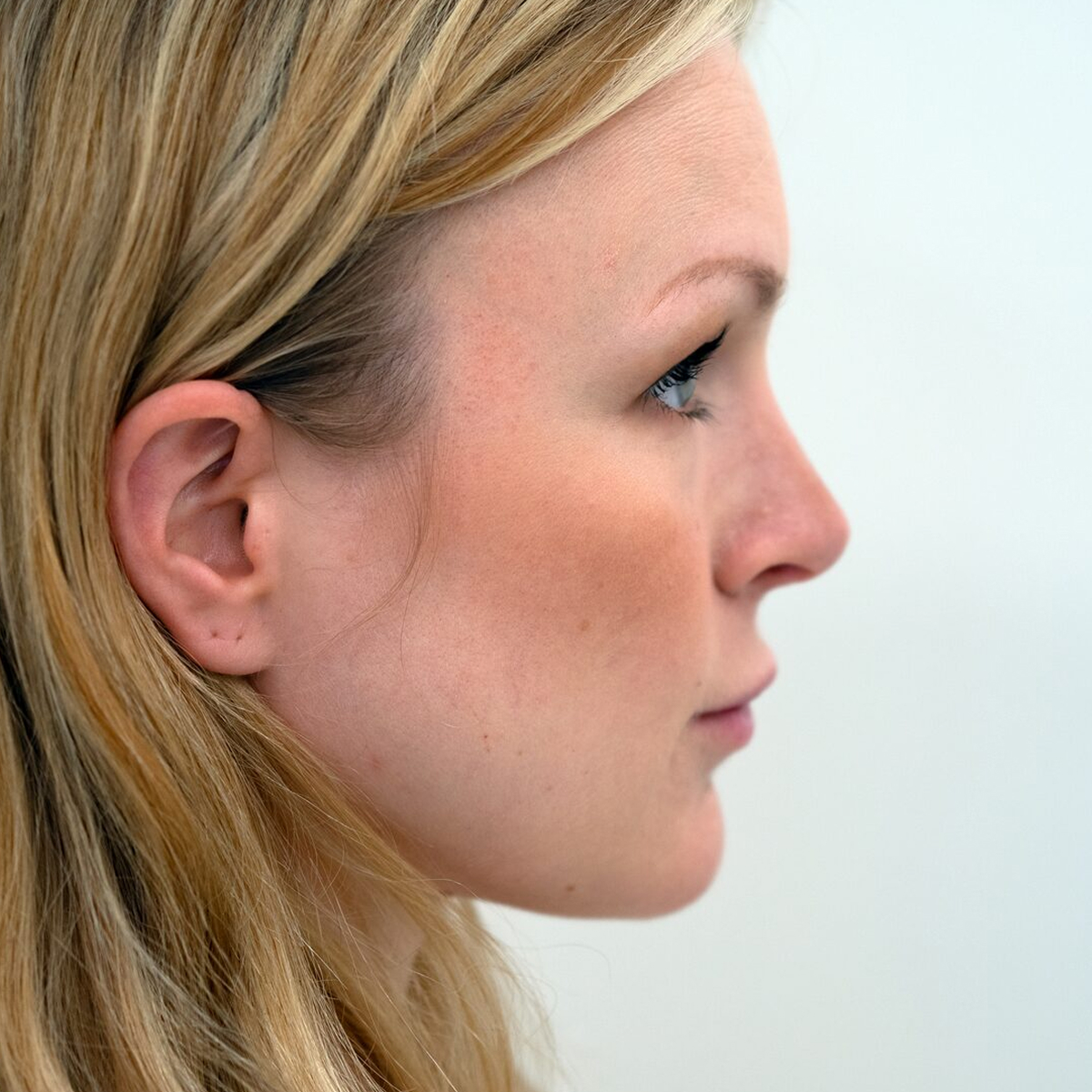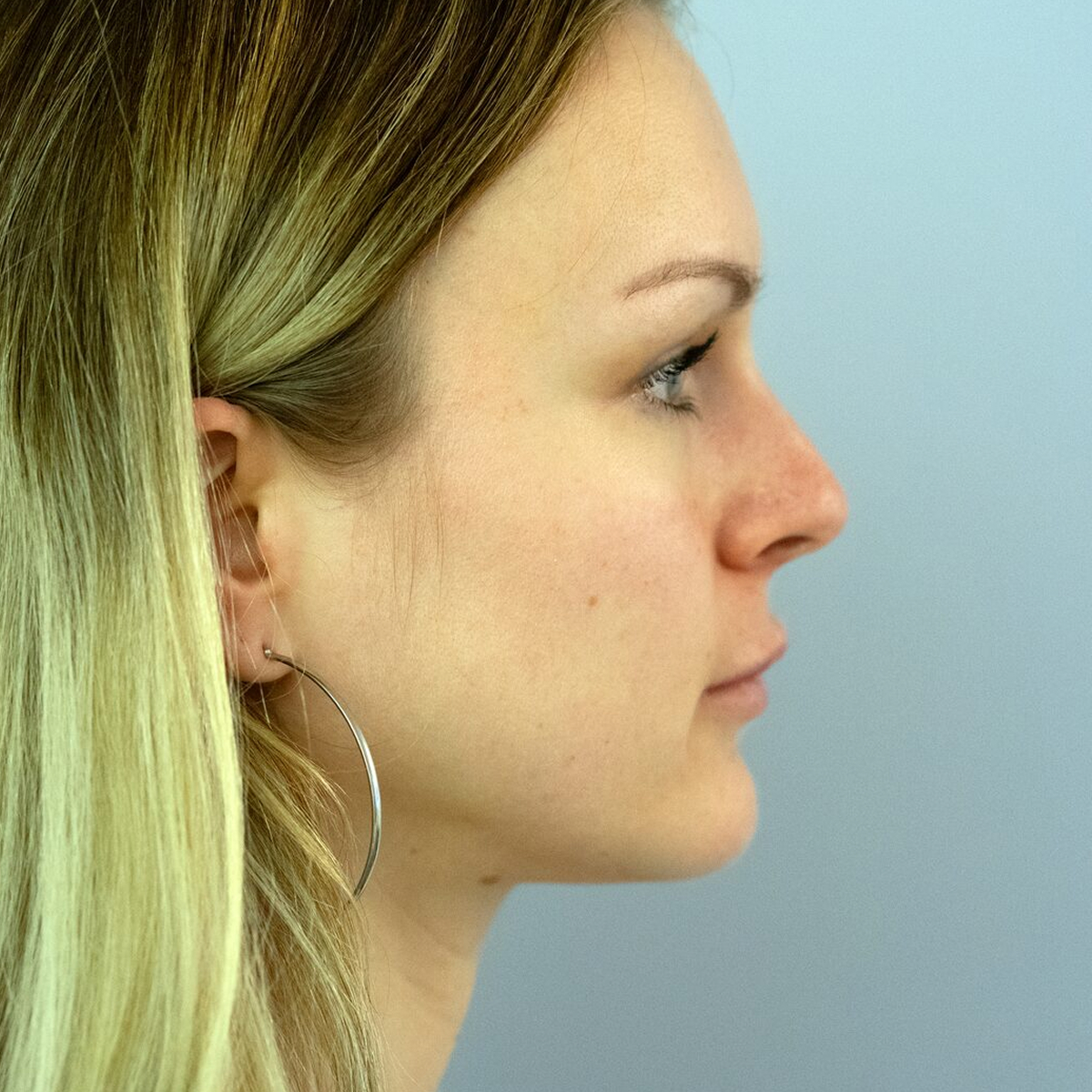
This patient wished for a more balanced and refined nasal profile while maintaining a natural appearance.
During rhinoplasty, the dorsal hump was reduced, and the nasal tip was refined and gently supported, with careful attention to facial proportions and harmony.
The result is a softer profile and a nose that blends naturally with the patient’s facial features, without altering her individual character.
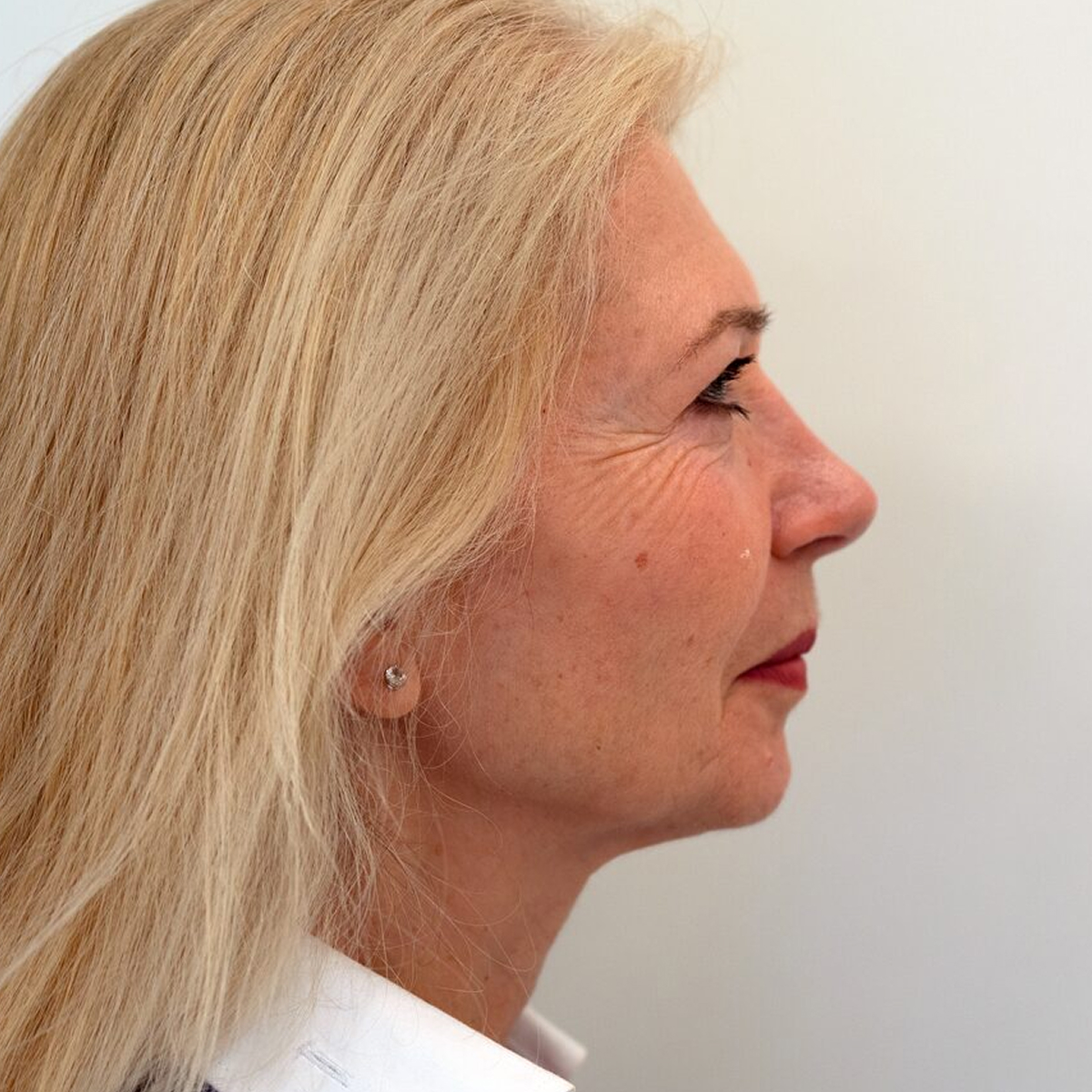
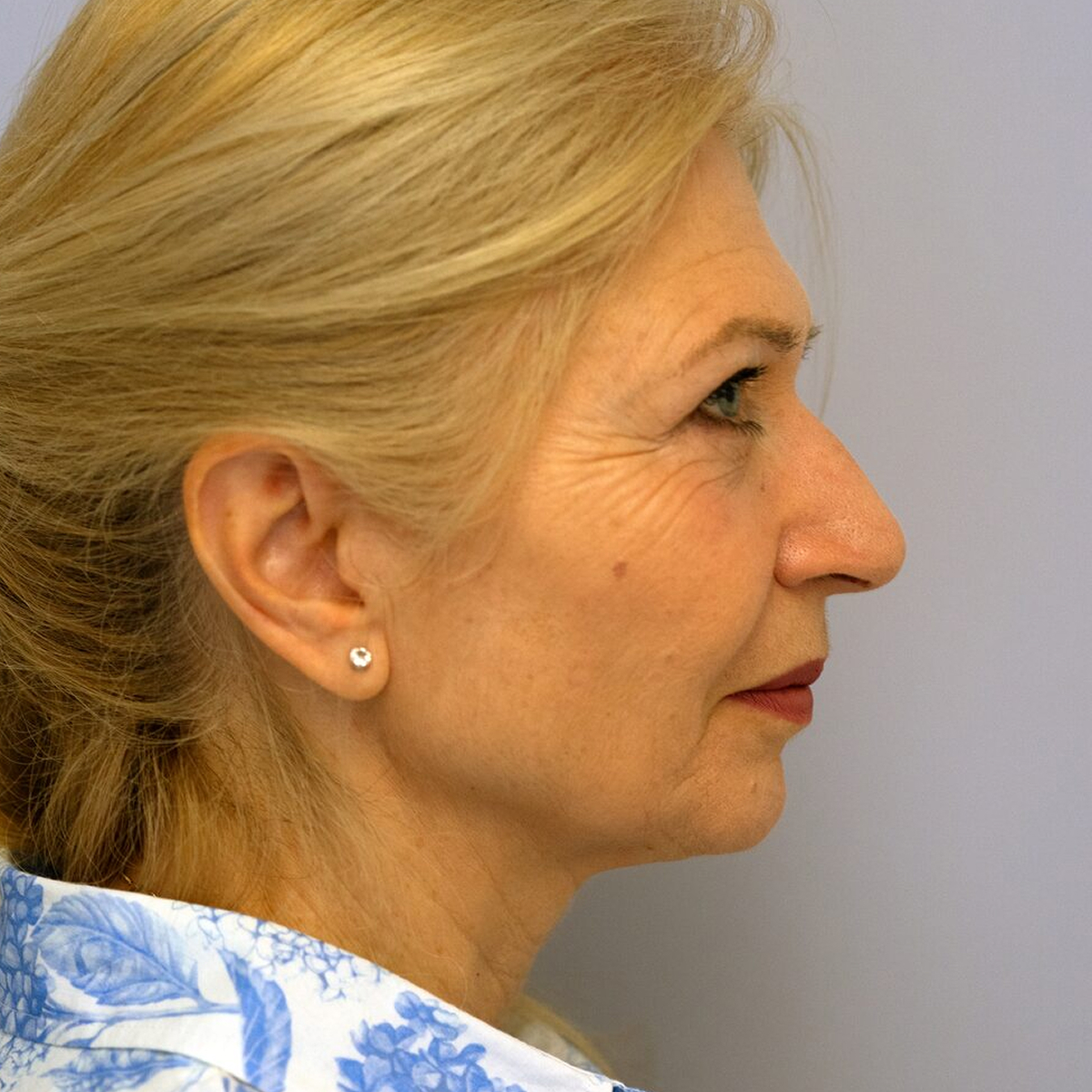
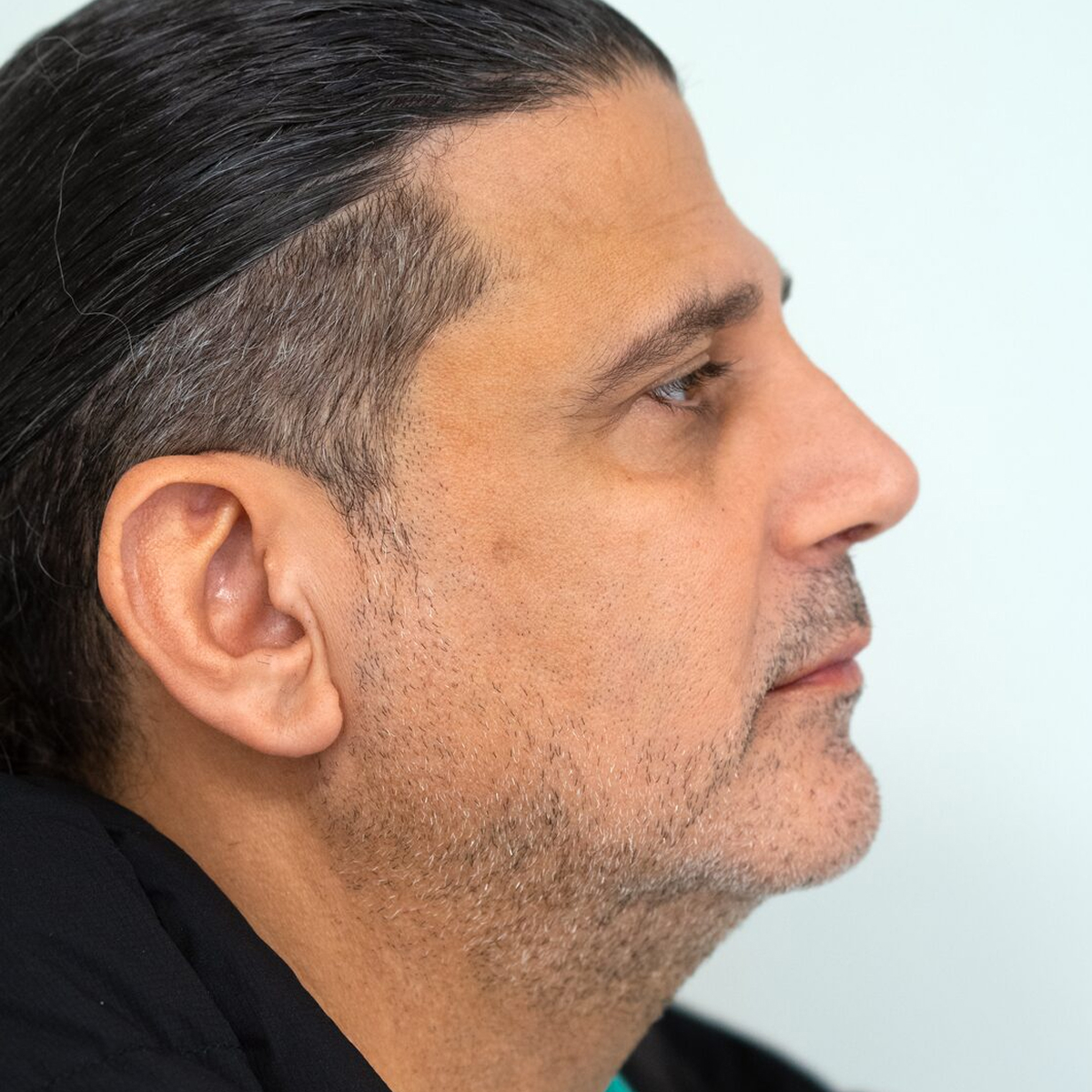
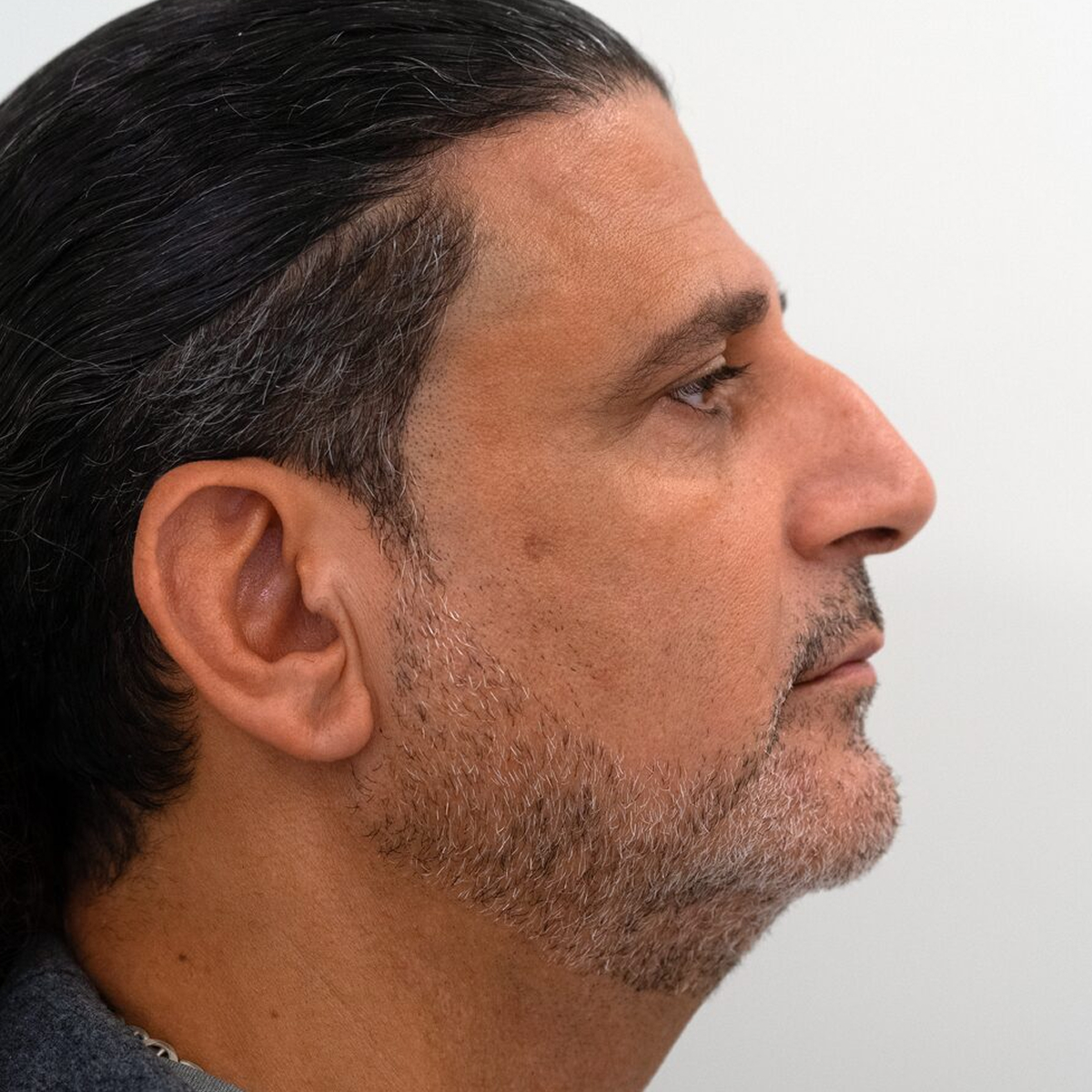
This patient’s goal was to soften the nasal profile while preserving a strong, masculine appearance.
During rhinoplasty, the dorsal hump was carefully reduced, and the nasal tip was reshaped with subtle structural support to maintain definition without over-refinement. Each step was guided by the patient’s existing facial structure to ensure balance.
The result is a cleaner, more harmonious profile with a natural outcome that respects his features and maintains his individual character.
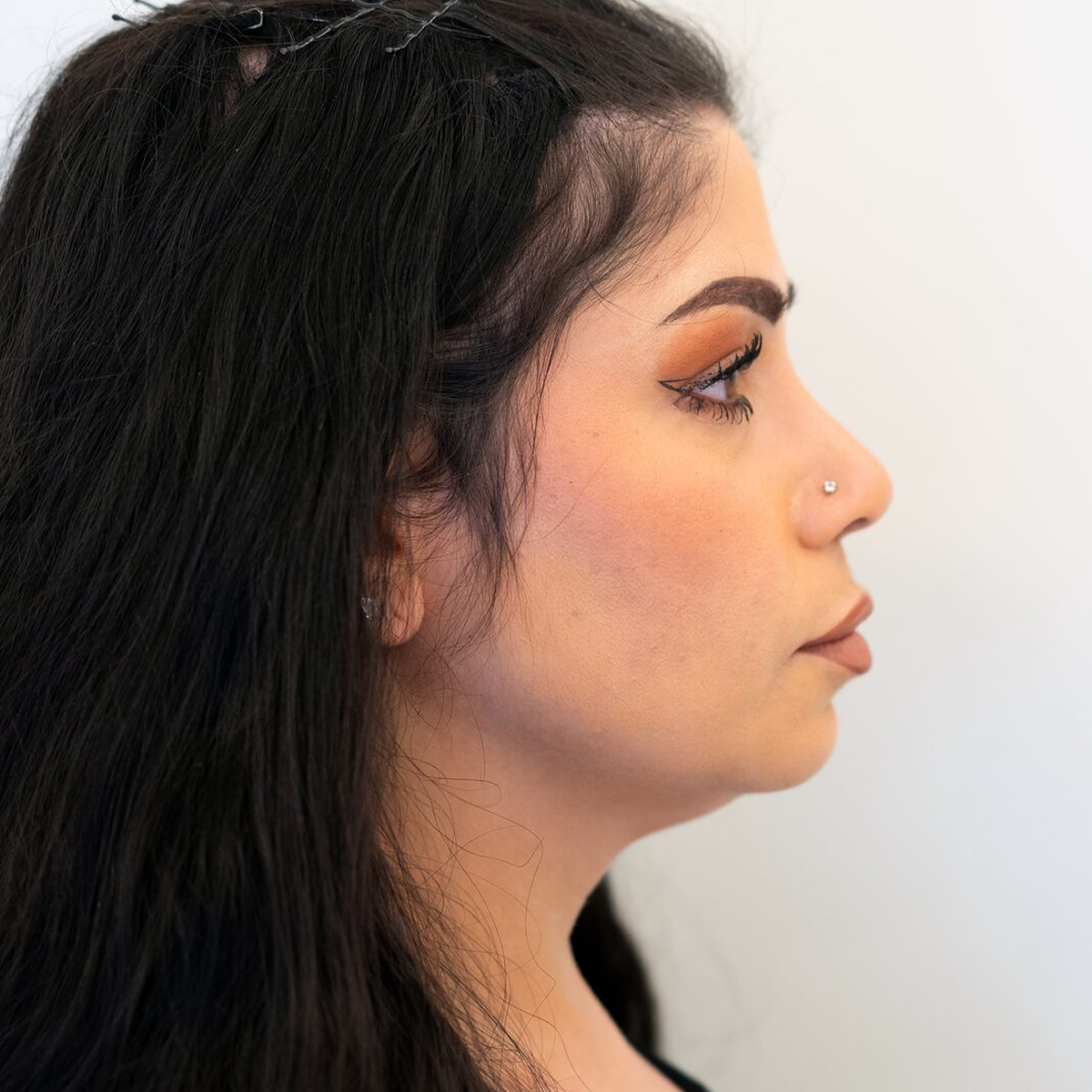
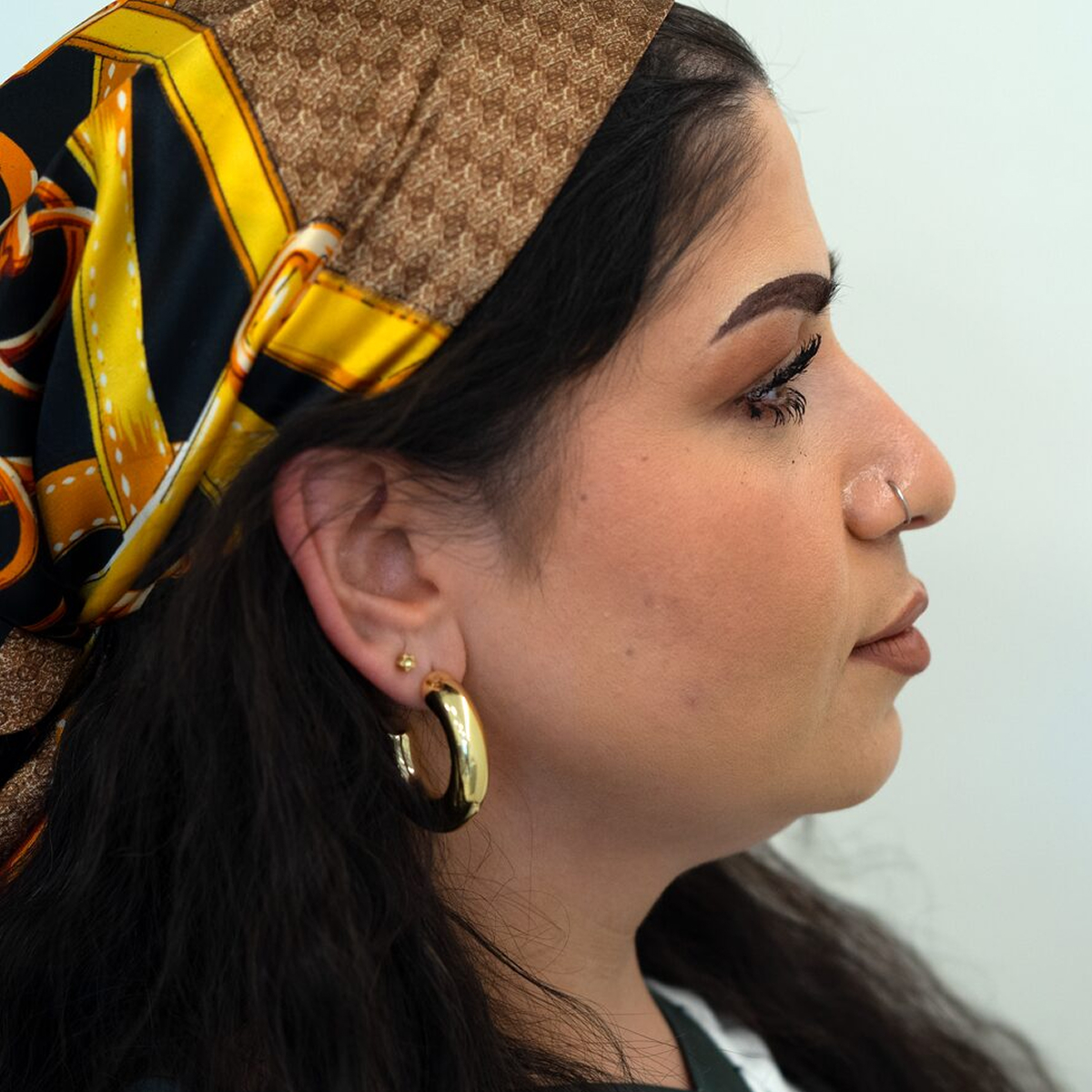
This patient presented with both functional and aesthetic concerns — including impaired breathing, a dorsal hump, and a bulbous, drooping nasal tip.
Surgery focused first on restoring function by correcting the septal deviation. From there, the osteocartilaginous hump and high radix were carefully addressed, while the nasal tip was stabilised and refined using a structured, preservation-based approach.
At just under six months post-surgery, her breathing has significantly improved. The nose now appears more defined and harmonious, with a natural result that fits seamlessly within her facial features.
With time, excess skin of the upper eyelids can lead to a heavier, more tired appearance and, in some cases, even affect the visual field.
In this patient, the focus was on removing the surplus skin while preserving the natural contours of the eyelid. Careful attention was paid to maintaining symmetry and respecting the patient’s individual anatomy, avoiding an over-corrected look.
The result is a more open, refreshed eye area — subtle, natural, and in harmony with the rest of the face.
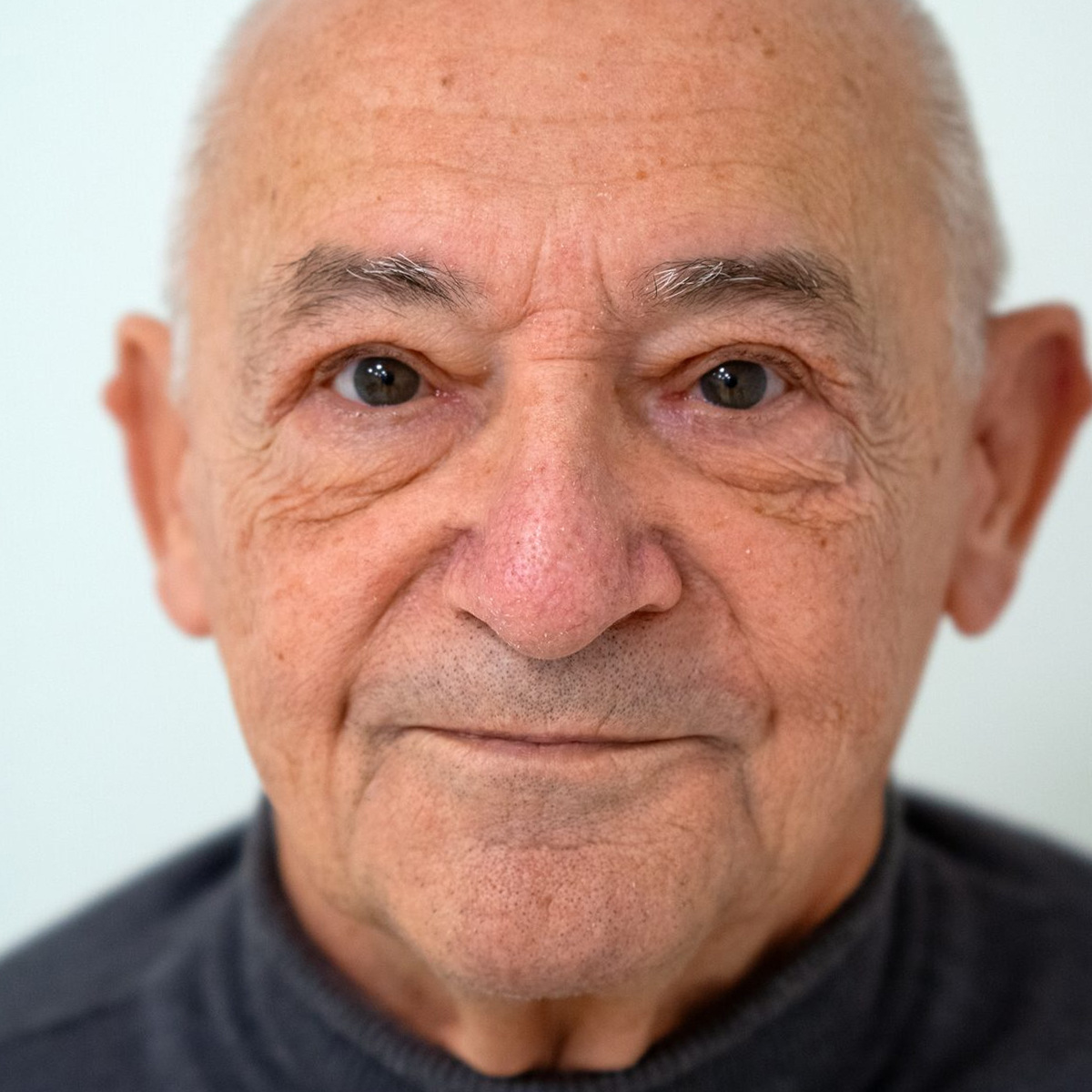
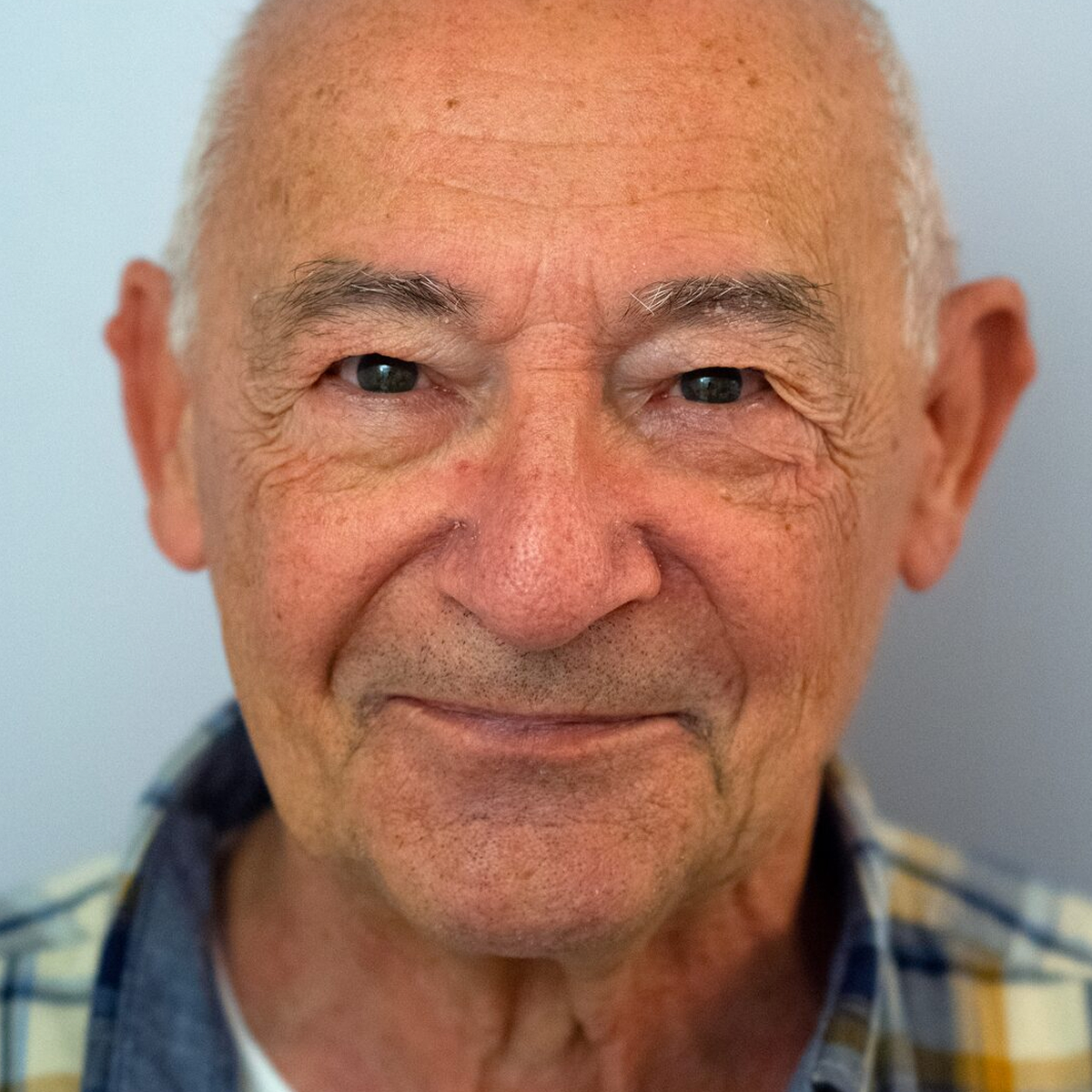
Subtle changes can have a significant impact on overall facial expression.
In this patient, treatment focused on the area between the eyebrows (glabella) and the brow. By carefully reducing muscle activity, we softened frown lines and allowed the brows to open slightly without freezing natural movement.
The result is a more relaxed, refreshed appearance, while preserving expression and maintaining a natural balance of the upper face.
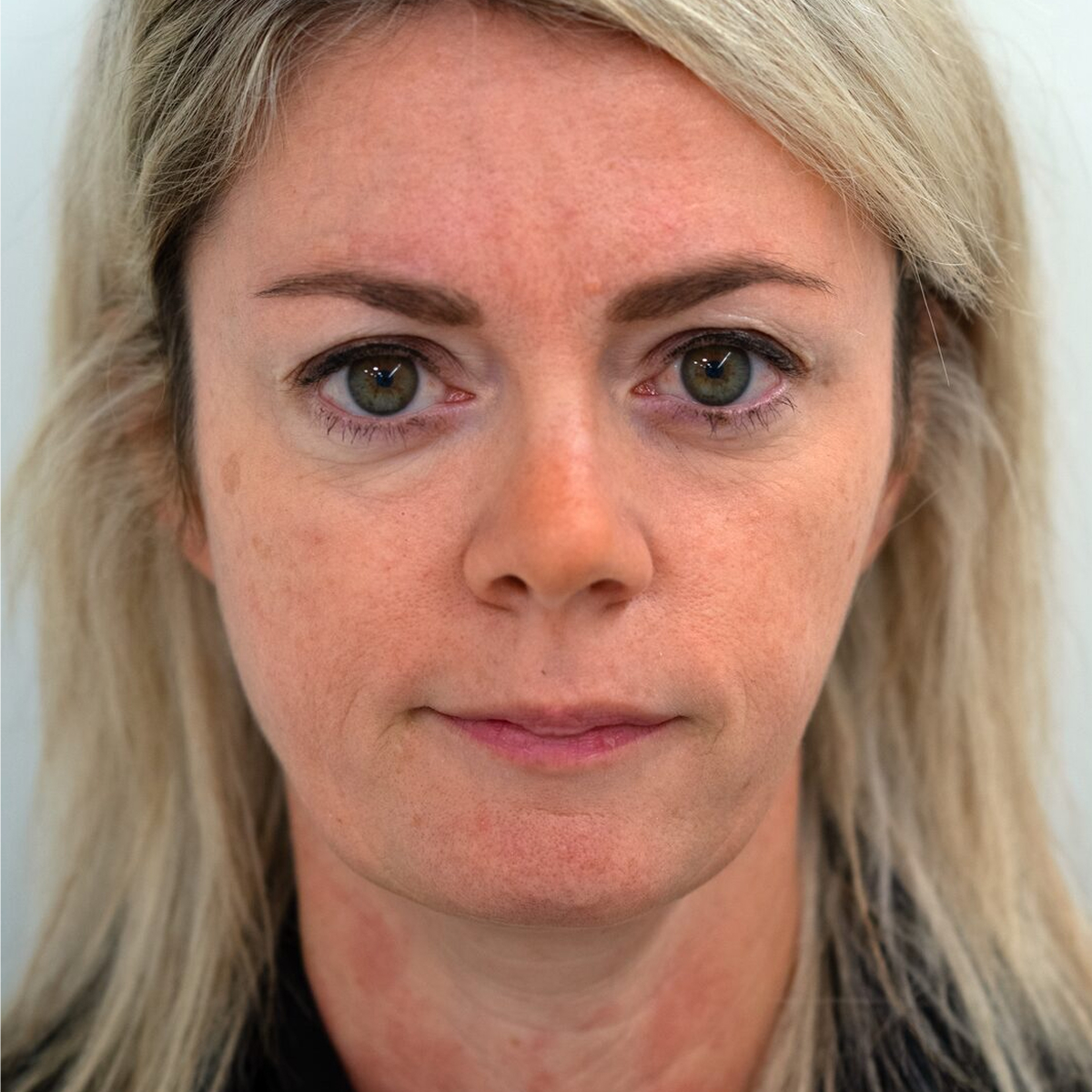
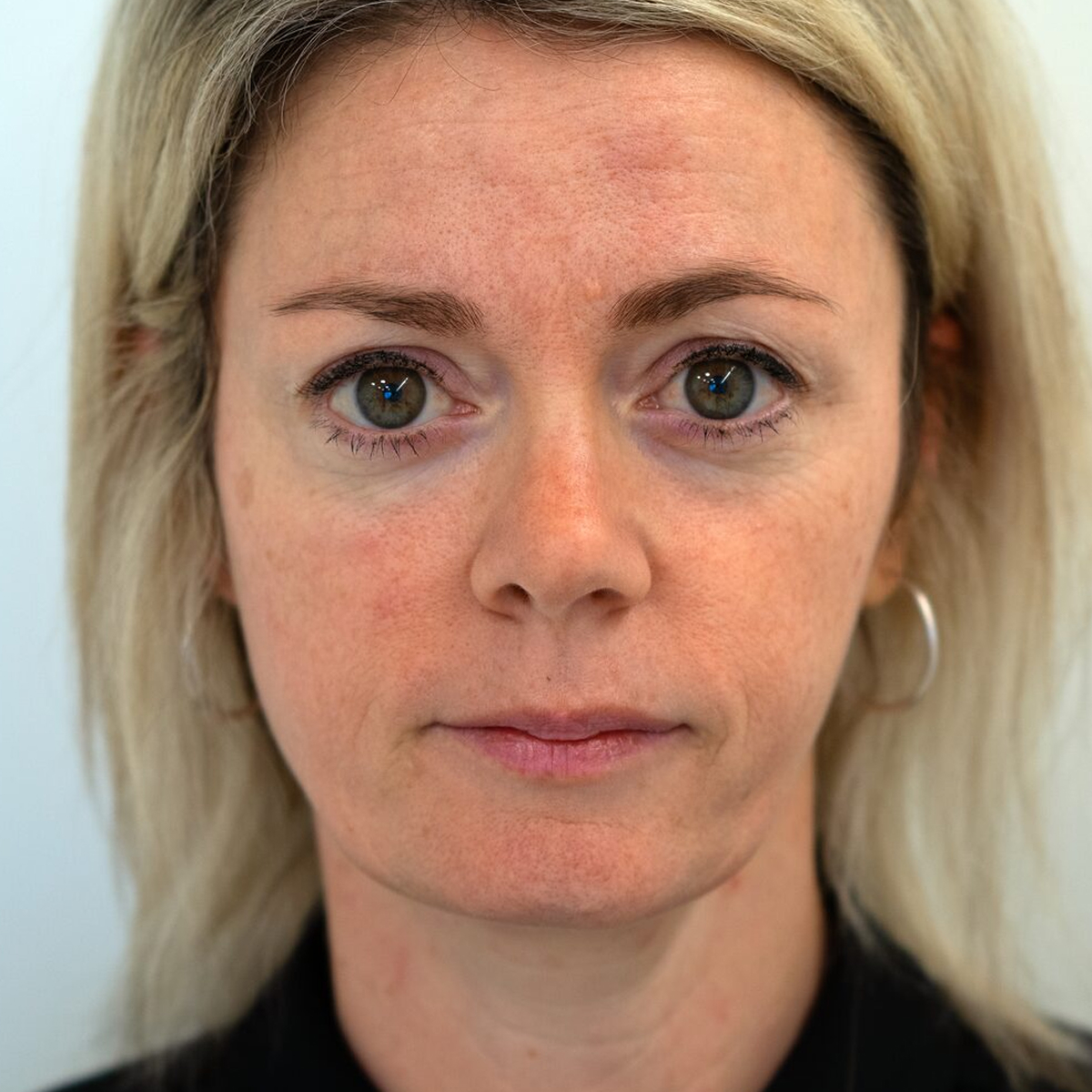
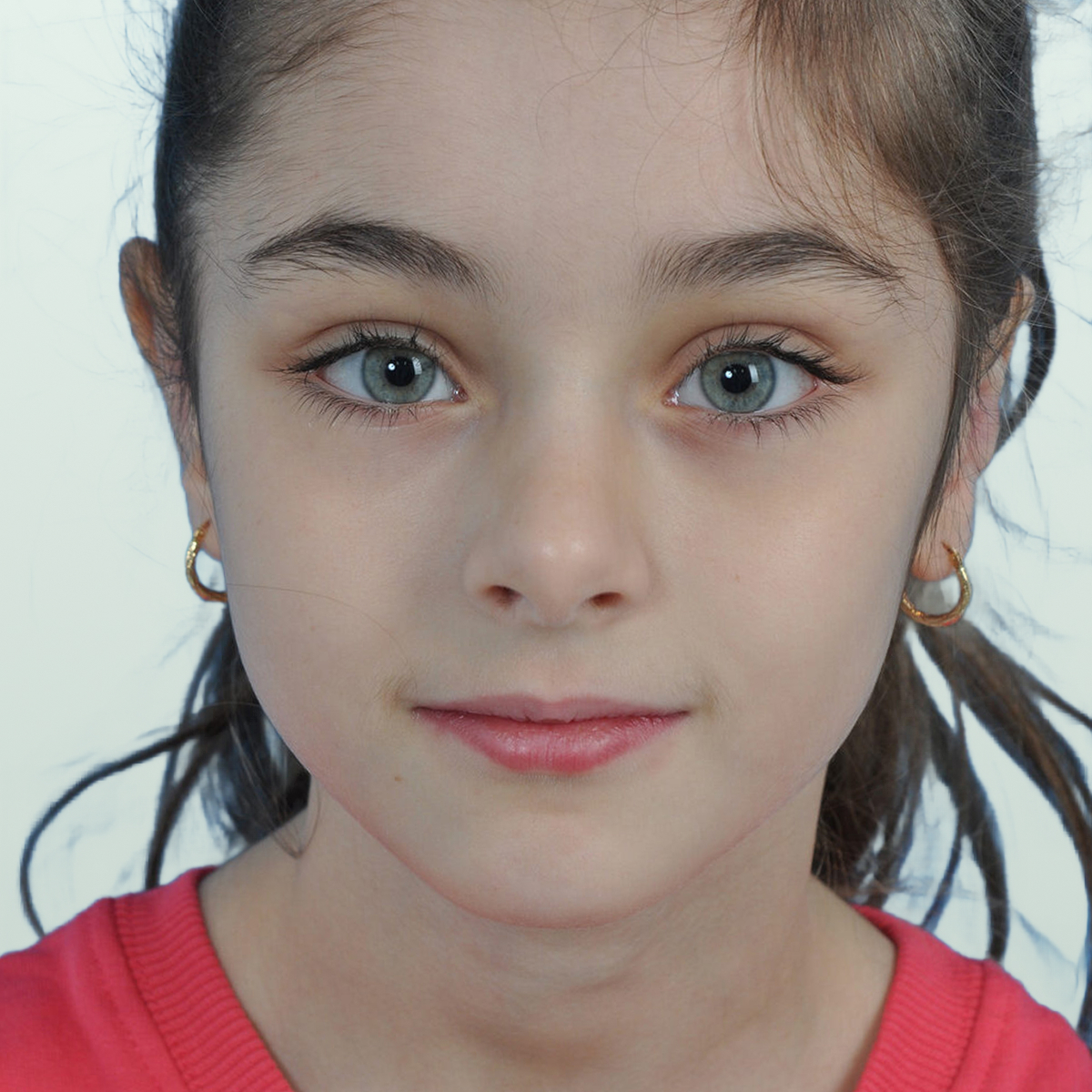
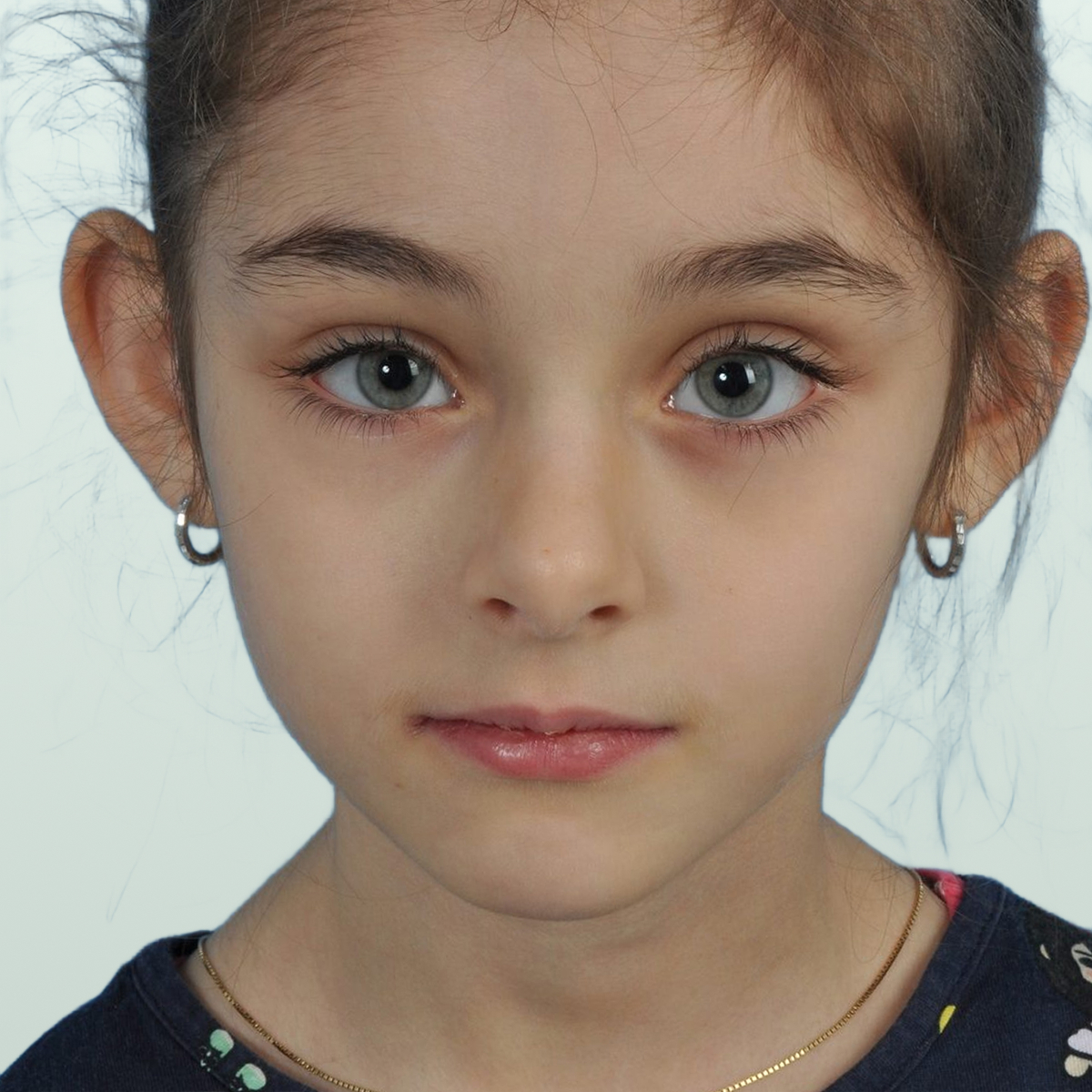
Prominent ears are often the result of a missing fold or increased projection of the ear cartilage. This can become noticeable from a young age and affect how a child feels in social situations.
In this case, the procedure focused on recreating the natural fold of the ear and gently setting the ears closer to the head, while maintaining a soft, natural shape.
The result is a balanced and harmonious appearance, with ears that no longer draw attention but instead blend naturally with the facial features.
An unbalanced profile with a prominent dorsal hump was the main concern in this patient.
The surgical approach focused on preserving key structures while carefully reshaping the nasal bridge and improving the transition from radix to dorsum. The nasal tip was refined and stabilised to achieve better definition and long-term support.
Rather than changing the nose, the aim was to bring it into proportion with the rest of the face. At 1.5 years postoperatively, the result shows a smooth, well-integrated profile — natural, refined, and in harmony with the patient’s features.